Exploring the PYP Curriculum: Core Elements and Implementation at Inventive Minds Academy


Exploring the PYP Curriculum: Core Elements and Implementation at Inventive Minds Academy
 By Inventive Minds Kidz Academy
 Added Wed, Apr 08 2026
By Inventive Minds Kidz Academy
Added Wed, Apr 08 2026
By Inventive Minds Kidz Academy
Added Wed, Apr 08 2026
Hey, Thanks For Subscribing!
Please check for a confirmation message and ensure you add us to a safe email list.
If you don't see a message in the next five minutes, check your spam or junk folders and mark our emails safe for next time.
See you soon!
Duplicate Email Found!
Well this is embarrassing... It looks like is already registered.
We have just sent an email to that address with a link to manage the subscription with us. If you don't see a message in the next five minutes, check the spam or junk folders, it's definitely there.
See you soon!
Introduction
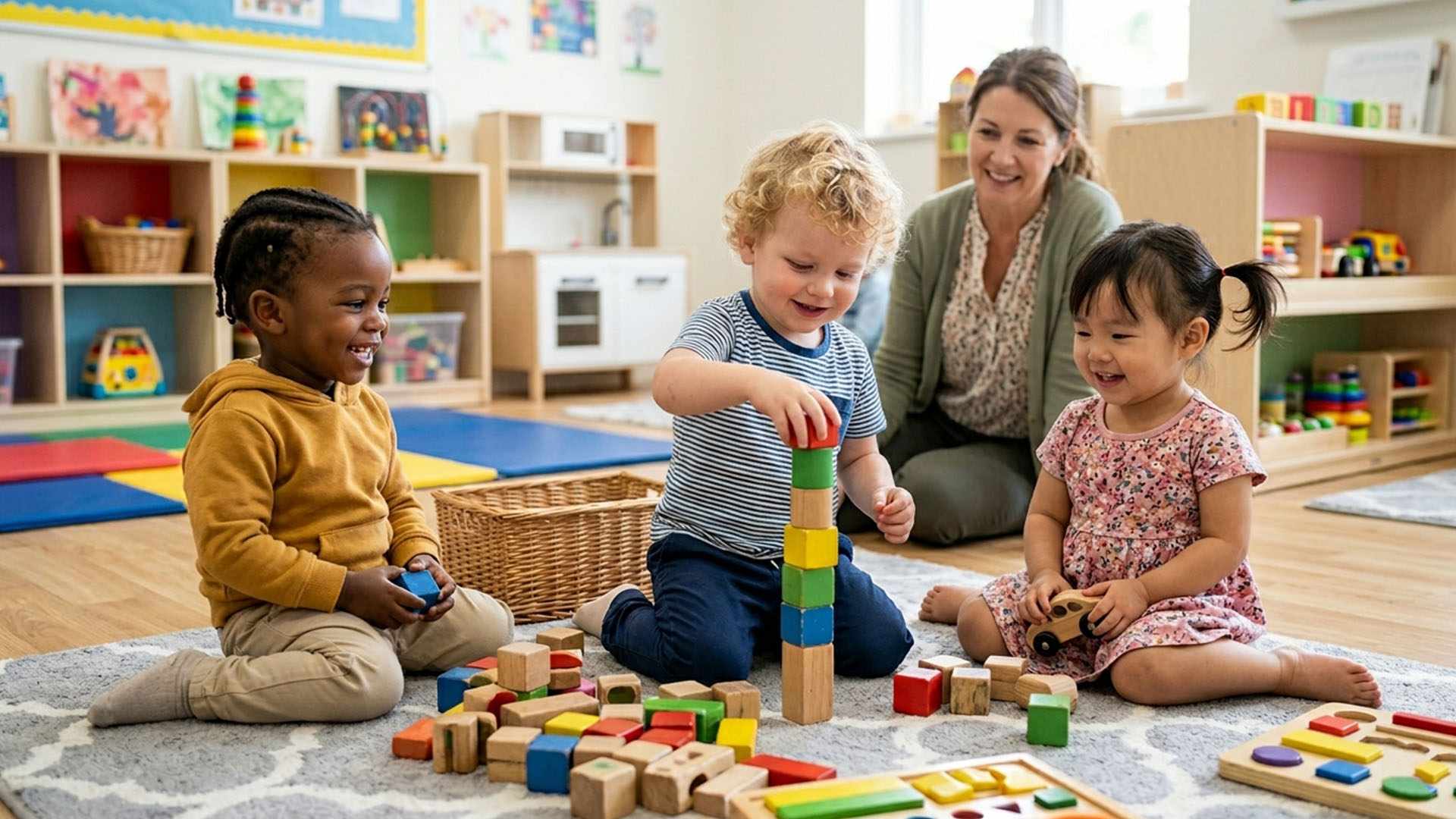
In today’s rapidly changing world, education is no longer just about acquiring knowledge; it is about developing the skills and dispositions that enable children to navigate complexity, adapt to uncertainty, and contribute meaningfully to society. Skills such as critical thinking, creativity, collaboration, and self-regulation are now widely recognized as essential competencies for the 21st century.
Traditional models of education, which often emphasize rote memorization and passive absorption of information, are increasingly seen as insufficient in preparing children for this reality. Instead, contemporary educational approaches are shifting toward learner-centered models that position children as active participants in their own learning journeys.
One of the most well-established frameworks reflecting this shift is the Primary Years Programme (PYP), developed by the International Baccalaureate (IB). The PYP is grounded in the belief that learning is most powerful when it is meaningful, inquiry-driven, and connected to real-life contexts. Rather than focusing solely on what children learn, the PYP emphasizes how they learn, encouraging curiosity, agency, and deep conceptual understanding.
This article explores the core components of the PYP curriculum and examines how these principles are translated into practice at Inventive Minds Academy, where learning is designed to nurture independent thinkers, confident learners, and globally minded individuals.
Understanding the Foundations of the PYP
What is the PYP?
The Primary Years Programme (PYP) is an international educational framework designed for children aged 3 to 12. Developed by the International Baccalaureate, the PYP aims to create lifelong learners who are not only knowledgeable but also reflective, caring, and capable of taking action.
At its core, the PYP moves beyond traditional subject-based instruction and instead emphasizes transdisciplinary learning. This means that knowledge is not taught in isolated silos but is integrated across subject areas through meaningful contexts. Children explore big ideas—such as identity, relationships, systems, and change—through units of inquiry that connect multiple disciplines.
A defining feature of the PYP is its focus on conceptual understanding. Rather than memorizing disconnected facts, learners are encouraged to understand underlying concepts that can be transferred across different situations. This approach helps children make sense of the world in a deeper and more coherent way.
Another key aspect is student agency. In the PYP classroom, children are not passive recipients of information; they are active participants who ask questions, make choices, and take ownership of their learning. Teachers act as facilitators, guiding students through inquiry processes rather than delivering content in a one-directional manner.
Theoretical Foundations of the PYP
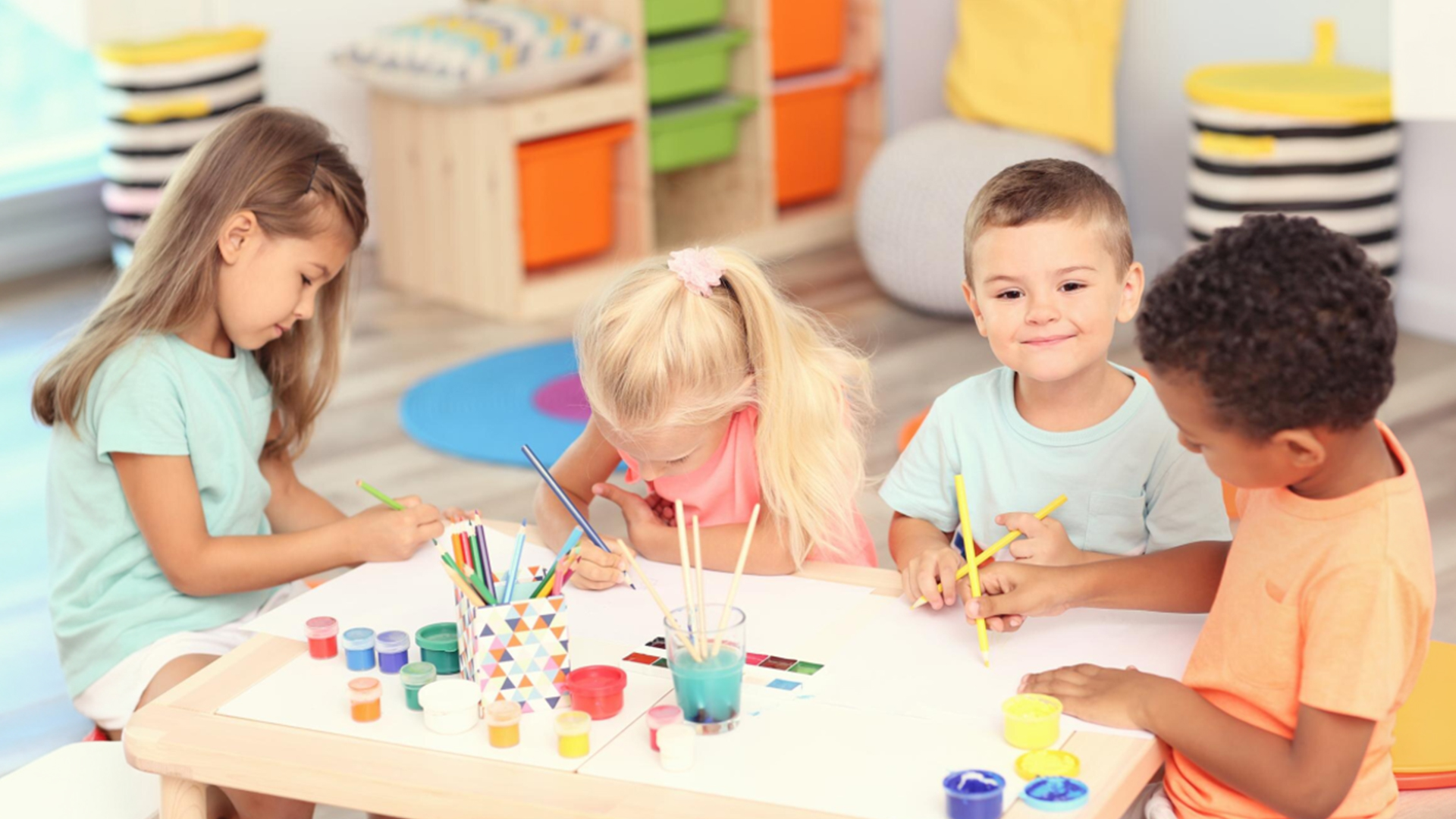
The PYP is not just a practical framework; it is deeply rooted in well-established theories of learning and development. These theoretical foundations provide a strong justification for its emphasis on inquiry, play, and active engagement.
Constructivism and Jean Piaget
One of the central influences on the PYP is the theory of constructivism, particularly as developed by Jean Piaget. Piaget argued that children actively construct knowledge through interactions with their environment, rather than simply absorbing information. According to his theory, learning occurs as children explore, experiment, and make sense of their experiences.
This perspective aligns closely with the PYP’s emphasis on hands-on, experiential learning. In PYP classrooms, children are encouraged to manipulate materials, test ideas, and reflect on their experiences, allowing them to build their own understanding of concepts.
Social Constructivism and Lev Vygotsky
In addition to Piaget, the work of Lev Vygotsky plays a crucial role in shaping the PYP approach. Vygotsky emphasized the importance of social interaction in learning and introduced the concept of the Zone of Proximal Development (ZPD). This refers to the gap between what a child can do independently and what they can achieve with guidance and support.
The PYP incorporates this idea through collaborative learning experiences, guided inquiry, and teacher scaffolding. By working with peers and receiving support from teachers, children are able to extend their thinking and reach higher levels of understanding.
Inquiry-Based Learning
At the heart of the PYP lies inquiry-based learning. Inquiry is not simply about asking questions; it is a structured process through which learners investigate, explore, and construct meaning.
Inquiry-based learning encourages curiosity and critical thinking. Instead of providing answers, teachers design learning experiences that prompt students to ask questions, seek information, and develop their own conclusions. This approach not only deepens understanding but also fosters a sense of ownership and engagement.
Research has shown that inquiry-based approaches can significantly enhance critical thinking skills, particularly in science education. By engaging in investigation and problem-solving, students develop the ability to analyze information, evaluate evidence, and make informed decisions.
Core Elements of the PYP Curriculum
The PYP curriculum is structured around several interconnected components that together create a holistic learning experience.
The Learner Profile
The IB Learner Profile outlines a set of attributes that the PYP aims to develop in students. These include being inquirers, knowledgeable, thinkers, communicators, principled, open-minded, caring, risk-takers, balanced, and reflective.
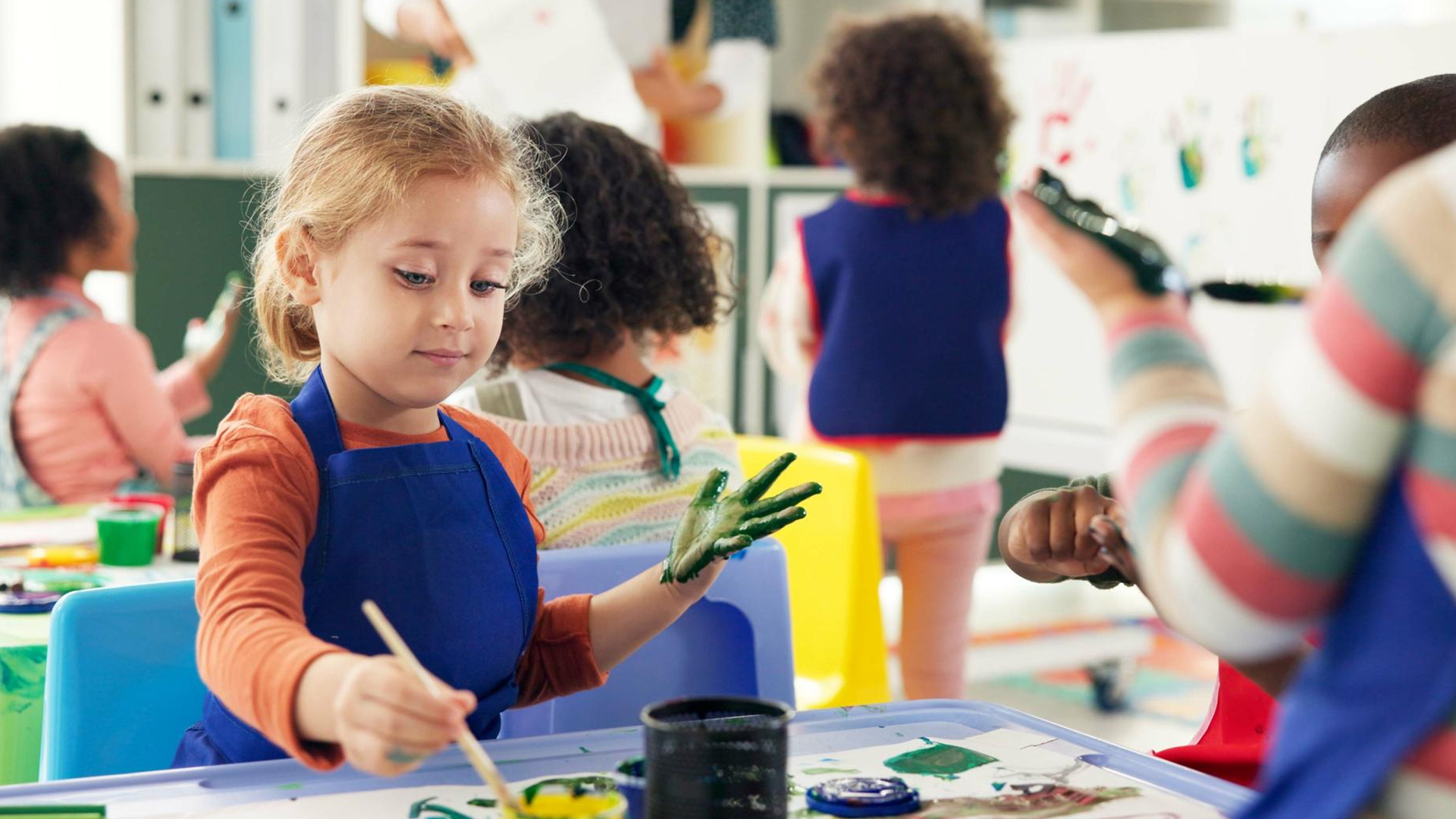
These attributes are not taught as separate subjects but are embedded throughout the learning process. They shape how students approach learning and interact with the world around them.
Key Concepts
The PYP is built around a set of key concepts that guide inquiry and deepen understanding. These include form, function, causation, change, connection, perspective, and responsibility.
By exploring these concepts, students are able to think more critically and make connections across different areas of knowledge. For example, the concept of “change” can be explored in science, history, and personal experiences, creating a more integrated understanding.
Approaches to Learning (ATL)
The PYP also emphasizes the development of Approaches to Learning (ATL) skills, which include thinking skills, communication skills, social skills, self-management skills, and research skills.
These skills are essential for lifelong learning and are integrated into all aspects of the curriculum. Rather than being taught in isolation, they are developed through meaningful learning experiences.
Learning Through Play and Self-Regulation
As education continues to evolve, there is growing recognition that academic success is deeply connected to a child’s ability to manage attention, regulate emotions, and engage meaningfully with their environment. In this context, the Primary Years Programme (PYP) places strong emphasis not only on what children learn, but on how they learn—particularly through play, inquiry, and the development of self-regulation.
Self-regulation refers to a child’s ability to control their attention, emotions, and behavior in goal-directed activities. It is a foundational skill that influences nearly every aspect of learning. Children who are able to focus, persist through challenges, and manage frustration are better equipped to engage in complex thinking and problem-solving tasks.
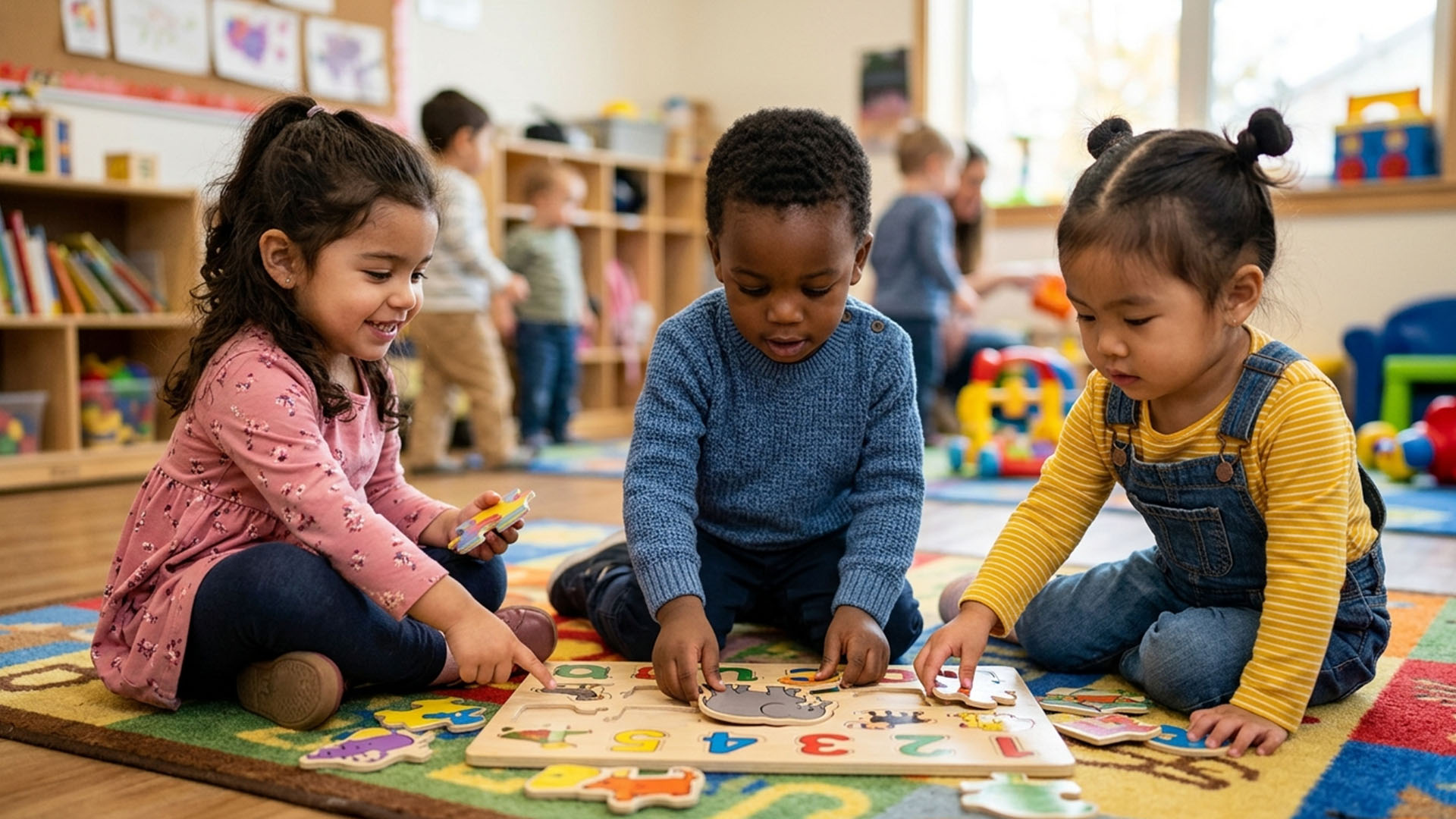
Research in early childhood development has shown that self-regulation is not something that develops in isolation. Rather, it emerges through meaningful, interactive experiences—especially those that involve play. When children engage in structured and unstructured play, they are constantly practicing how to plan, make decisions, negotiate roles, and adapt to changing situations. These experiences naturally strengthen their ability to regulate themselves.
Importantly, studies have also demonstrated a strong connection between time spent in play and early academic outcomes. Children who engage more frequently in meaningful play tend to show stronger development in early reading and mathematical skills. This relationship is largely explained by improvements in self-regulation, which supports attention, memory, and cognitive flexibility—key components of successful learning.
This challenges the common misconception that play and academic learning are separate or even competing priorities. In reality, play provides the foundation upon which academic skills are built. Rather than delaying learning, play enhances it by creating the conditions necessary for deeper understanding.
Within the PYP framework, play is not seen as a break from learning, but as an essential mode of learning itself. Particularly in the early years, play-based experiences are intentionally designed to encourage exploration, creativity, and inquiry. Children might engage in role-play, construction activities, storytelling, or open-ended problem-solving tasks. Each of these experiences allows them to test ideas, experiment with concepts, and build meaning through direct interaction with their environment.
The theoretical foundations of this approach, as discussed earlier, draw on the work of Jean Piaget, who emphasized that children construct knowledge through active engagement with the world around them. Learning, in this sense, is not a passive process but an active one, driven by curiosity and exploration. At the same time, the social dimension of learning—highlighted by Lev Vygotsky—plays a crucial role. Through collaboration and guided interaction, children are able to extend their thinking beyond what they could achieve independently. This is particularly evident in play-based and inquiry-driven environments, where children work together, share ideas, and build understanding collectively.
Developing 21st Century Skills in the PYP Classroom
As children engage in these types of learning experiences, they are not only developing academic knowledge but also acquiring a set of broader competencies often referred to as 21st century skills. These include critical thinking, creativity, communication, and collaboration—commonly known as the 4Cs.
In the PYP classroom, these skills are not taught in isolation. Instead, they are embedded within meaningful learning experiences. For example, when children work together on a project, they must communicate their ideas, listen to others, and negotiate solutions. When faced with a problem, they are encouraged to think critically, explore alternatives, and develop creative responses.
These processes are further supported by the role of the teacher, which differs significantly from traditional instructional models. In the PYP, teachers act as facilitators of learning. Rather than simply delivering information, they design learning environments that provoke curiosity and guide inquiry.
Teachers carefully observe children’s interests and use these observations to create meaningful learning opportunities. They ask open-ended questions, provide appropriate levels of support, and encourage reflection. This approach not only deepens understanding but also fosters a sense of ownership and agency in learners.
Balancing Technology and Active Learning
Another important aspect of contemporary childhood that cannot be overlooked is the increasing presence of digital technology. While technology offers valuable tools for learning, excessive passive screen time can limit opportunities for active engagement, social interaction, and physical play.
Research suggests that hands-on, interactive experiences have a more significant impact on cognitive and social development than passive consumption of digital content. Therefore, the challenge is not to eliminate technology, but to use it intentionally and in balance with other forms of learning.
In environments such as Inventive Minds Academy, this balance is carefully maintained. Technology is used as a tool to support inquiry and creativity, rather than replace active learning experiences. Children are encouraged to engage with the physical world, collaborate with peers, and participate in meaningful, hands-on activities.
Bringing the PYP to Life at Inventive Kidz Minds
While the PYP provides a strong theoretical and structural framework, its true impact depends on how it is implemented in practice. At Inventive Minds Academy, the principles of the PYP are translated into dynamic, engaging, and child-centered learning experiences.
Classrooms are designed as interactive environments where children are encouraged to explore, question, and create. Learning is often play-based, particularly in early years, reflecting research that highlights the importance of play in cognitive and social development.
Teachers at Inventive Minds Academy act as facilitators of learning rather than traditional instructors. They observe children’s interests, design meaningful provocations, and guide inquiry in ways that extend thinking and deepen understanding.
Importantly, the focus is not solely on academic outcomes but on the development of the whole child. Emotional well-being, social skills, and self-regulation are considered just as important as literacy and numeracy.
Ultimately, what distinguishes the PYP approach is its holistic view of education. Learning is not limited to academic achievement but encompasses the development of the whole child. Emotional well-being, social competence, and self-regulation are seen as equally important as literacy and numeracy.
At Inventive Minds Academy, these principles are translated into daily practice. Classrooms are designed to be dynamic, flexible, and responsive to children’s needs. Learning experiences are intentionally crafted to promote curiosity, independence, and collaboration.
Children are given the space to explore their interests, take risks, and learn from their experiences. They are not simply prepared for the next stage of schooling, but for a lifetime of learning.
In this way, the integration of play, inquiry, and skill development creates a powerful learning environment—one that supports not only academic success but also the development of confident, capable, and adaptable individuals.
By aligning closely with the principles of the PYP, Inventive Minds Academy creates an environment where children develop not only knowledge but also the skills and attitudes needed to thrive in an ever-changing world.
Conclusion
The Primary Years Programme represents a powerful shift in how we think about education. By emphasizing inquiry, play, and the development of essential skills, it provides a framework that supports both academic success and personal growth.
At its core, the PYP recognizes that learning is not a passive process but an active, dynamic journey. It values curiosity, encourages exploration, and empowers children to take ownership of their learning.
In environments such as Inventive Minds Academy, these principles come to life in meaningful and impactful ways. Children are not simply prepared for exams—they are prepared for life.
As education continues to move forward, approaches like the PYP provide a clear direction for how learning can be both meaningful and future-focused. By recognizing the importance of how children learn—and not just what they learn—educators can create environments that truly prepare children for the complexities of the modern world.
Authored by:
Rose Morsh
RECE, Parent Practitioner,
Parent Coordinator, Family Mediator,
Child Voice Practitioner,
and Collaborative Family Law Parent Expert
References:
Billings, E., & Walqui, A. (n.d.). *The zone of proximal development: An affirmative perspective in teaching ELLs/MLLs*. WestEd.
Department of Education, Queensland. (n.d.). *Age-appropriate pedagogies: Inquiry learning*. State of Queensland.
International Baccalaureate Organization. (2009). *Making the PYP happen: A curriculum framework for international primary education* (Rev. ed.).
International Baccalaureate Organization. (2021). *IB Primary Years Programme: Education for a better world*.
International School of Paris. (2024). *The IB Primary Years Programme at ISP: 2024–2025 parent curriculum guide*.
Lockman, J. J., & Tamis-LeMonda, C. S. (2021). Young children’s interactions with objects: Play as practice and practice as play. *Annual Review of Developmental Psychology, 3*(1), 165–186.
Martin, J. P. (2018). *Skills for the 21st century: Findings and policy lessons from the OECD survey of adult skills* (OECD Education Working Papers No. 166). OECD Publishing. https://doi.org/10.1787/96e69229-en
Miller, P., Betancur, L., Coulanges, L., Kammerzell, J., Libertus, M., Bachman, H. J., & Votruba-Drzal, E. (2023). Time spent playing predicts early reading and math skills through associations with self-regulation. *Journal of Applied Developmental Psychology*.
Piaget, J. (1936). *The origins of intelligence in children*. International Universities Press.
Siraj, I. (2025). *An emergent and inquiry-based curriculum approach in early childhood*. National Council for Curriculum and Assessment.
Thornhill-Miller, B., Camarda, A., Mercier, M., Burkhardt, J.-M., Morisseau, T., Bourgeois-Bougrine, S., Vinchon, F., El Hayek, S., Augereau-Landais, M., Mourey, F., Feybesse, C., Sundquist, D., & Lubart, T. (2023). Creativity, critical thinking, communication, and collaboration: Assessment, certification, and promotion of 21st-century skills for the future of work and education. *Journal of Intelligence, 11*(54), 1–32. https://doi.org/10.3390/jintelligence11030054
Wijnen-Meijer, M., Brandhuber, T., Schneider, A., & Berberat, P. O. (2022). Implementing Kolb’s experiential learning cycle by linking real experience, case-based discussion and simulation: A descriptive report. *Journal of Medical Education and Curricular Development, 9*, 1–5. https://doi.org/10.1177/23821205221091511
Yee, L. J., Radzi, N. M. M., & Mamat, N. (2022). Learning through play in early childhood: A systematic review. *International Journal of Academic Research in Progressive Education and Development, 11*(4), 919–959. https://doi.org/10.6007/IJARPED/v11-i4/16076
Introduction
In today’s rapidly changing world, education is no longer just about acquiring knowledge; it is about developing the skills and dispositions that enable children to navigate complexity, adapt to uncertainty, and contribute meaningfully to society. Skills such as critical thinking, creativity, collaboration, and self-regulation are now widely recognized as essential competencies for the 21st century.
Traditional models of education, which often emphasize rote memorization and passive absorption of information, are increasingly seen as insufficient in preparing children for this reality. Instead, contemporary educational approaches are shifting toward learner-centered models that position children as active participants in their own learning journeys.
One of the most well-established frameworks reflecting this shift is the Primary Years Programme (PYP), developed by the International Baccalaureate (IB). The PYP is grounded in the belief that learning is most powerful when it is meaningful, inquiry-driven, and connected to real-life contexts. Rather than focusing solely on what children learn, the PYP emphasizes how they learn, encouraging curiosity, agency, and deep conceptual understanding.
This article explores the core components of the PYP curriculum and examines how these principles are translated into practice at Inventive Minds Academy, where learning is designed to nurture independent thinkers, confident learners, and globally minded individuals.
Understanding the Foundations of the PYP
What is the PYP?
The Primary Years Programme (PYP) is an international educational framework designed for children aged 3 to 12. Developed by the International Baccalaureate, the PYP aims to create lifelong learners who are not only knowledgeable but also reflective, caring, and capable of taking action.
At its core, the PYP moves beyond traditional subject-based instruction and instead emphasizes transdisciplinary learning. This means that knowledge is not taught in isolated silos but is integrated across subject areas through meaningful contexts. Children explore big ideas—such as identity, relationships, systems, and change—through units of inquiry that connect multiple disciplines.
A defining feature of the PYP is its focus on conceptual understanding. Rather than memorizing disconnected facts, learners are encouraged to understand underlying concepts that can be transferred across different situations. This approach helps children make sense of the world in a deeper and more coherent way.
Another key aspect is student agency. In the PYP classroom, children are not passive recipients of information; they are active participants who ask questions, make choices, and take ownership of their learning. Teachers act as facilitators, guiding students through inquiry processes rather than delivering content in a one-directional manner.
Theoretical Foundations of the PYP
The PYP is not just a practical framework; it is deeply rooted in well-established theories of learning and development. These theoretical foundations provide a strong justification for its emphasis on inquiry, play, and active engagement.
Constructivism and Jean Piaget
One of the central influences on the PYP is the theory of constructivism, particularly as developed by Jean Piaget. Piaget argued that children actively construct knowledge through interactions with their environment, rather than simply absorbing information. According to his theory, learning occurs as children explore, experiment, and make sense of their experiences.
This perspective aligns closely with the PYP’s emphasis on hands-on, experiential learning. In PYP classrooms, children are encouraged to manipulate materials, test ideas, and reflect on their experiences, allowing them to build their own understanding of concepts.
Social Constructivism and Lev Vygotsky
In addition to Piaget, the work of Lev Vygotsky plays a crucial role in shaping the PYP approach. Vygotsky emphasized the importance of social interaction in learning and introduced the concept of the Zone of Proximal Development (ZPD). This refers to the gap between what a child can do independently and what they can achieve with guidance and support.
The PYP incorporates this idea through collaborative learning experiences, guided inquiry, and teacher scaffolding. By working with peers and receiving support from teachers, children are able to extend their thinking and reach higher levels of understanding.
Inquiry-Based Learning
At the heart of the PYP lies inquiry-based learning. Inquiry is not simply about asking questions; it is a structured process through which learners investigate, explore, and construct meaning.
Inquiry-based learning encourages curiosity and critical thinking. Instead of providing answers, teachers design learning experiences that prompt students to ask questions, seek information, and develop their own conclusions. This approach not only deepens understanding but also fosters a sense of ownership and engagement.
Research has shown that inquiry-based approaches can significantly enhance critical thinking skills, particularly in science education. By engaging in investigation and problem-solving, students develop the ability to analyze information, evaluate evidence, and make informed decisions.
Core Elements of the PYP Curriculum
The PYP curriculum is structured around several interconnected components that together create a holistic learning experience.
The Learner Profile
The IB Learner Profile outlines a set of attributes that the PYP aims to develop in students. These include being inquirers, knowledgeable, thinkers, communicators, principled, open-minded, caring, risk-takers, balanced, and reflective.
These attributes are not taught as separate subjects but are embedded throughout the learning process. They shape how students approach learning and interact with the world around them.
Key Concepts
The PYP is built around a set of key concepts that guide inquiry and deepen understanding. These include form, function, causation, change, connection, perspective, and responsibility.
By exploring these concepts, students are able to think more critically and make connections across different areas of knowledge. For example, the concept of “change” can be explored in science, history, and personal experiences, creating a more integrated understanding.
Approaches to Learning (ATL)
The PYP also emphasizes the development of Approaches to Learning (ATL) skills, which include thinking skills, communication skills, social skills, self-management skills, and research skills.
These skills are essential for lifelong learning and are integrated into all aspects of the curriculum. Rather than being taught in isolation, they are developed through meaningful learning experiences.
Learning Through Play and Self-Regulation
As education continues to evolve, there is growing recognition that academic success is deeply connected to a child’s ability to manage attention, regulate emotions, and engage meaningfully with their environment. In this context, the Primary Years Programme (PYP) places strong emphasis not only on what children learn, but on how they learn—particularly through play, inquiry, and the development of self-regulation.
Self-regulation refers to a child’s ability to control their attention, emotions, and behavior in goal-directed activities. It is a foundational skill that influences nearly every aspect of learning. Children who are able to focus, persist through challenges, and manage frustration are better equipped to engage in complex thinking and problem-solving tasks.
Research in early childhood development has shown that self-regulation is not something that develops in isolation. Rather, it emerges through meaningful, interactive experiences—especially those that involve play. When children engage in structured and unstructured play, they are constantly practicing how to plan, make decisions, negotiate roles, and adapt to changing situations. These experiences naturally strengthen their ability to regulate themselves.
Importantly, studies have also demonstrated a strong connection between time spent in play and early academic outcomes. Children who engage more frequently in meaningful play tend to show stronger development in early reading and mathematical skills. This relationship is largely explained by improvements in self-regulation, which supports attention, memory, and cognitive flexibility—key components of successful learning.
This challenges the common misconception that play and academic learning are separate or even competing priorities. In reality, play provides the foundation upon which academic skills are built. Rather than delaying learning, play enhances it by creating the conditions necessary for deeper understanding.
Within the PYP framework, play is not seen as a break from learning, but as an essential mode of learning itself. Particularly in the early years, play-based experiences are intentionally designed to encourage exploration, creativity, and inquiry. Children might engage in role-play, construction activities, storytelling, or open-ended problem-solving tasks. Each of these experiences allows them to test ideas, experiment with concepts, and build meaning through direct interaction with their environment.
The theoretical foundations of this approach, as discussed earlier, draw on the work of Jean Piaget, who emphasized that children construct knowledge through active engagement with the world around them. Learning, in this sense, is not a passive process but an active one, driven by curiosity and exploration. At the same time, the social dimension of learning—highlighted by Lev Vygotsky—plays a crucial role. Through collaboration and guided interaction, children are able to extend their thinking beyond what they could achieve independently. This is particularly evident in play-based and inquiry-driven environments, where children work together, share ideas, and build understanding collectively.
Developing 21st Century Skills in the PYP Classroom
As children engage in these types of learning experiences, they are not only developing academic knowledge but also acquiring a set of broader competencies often referred to as 21st century skills. These include critical thinking, creativity, communication, and collaboration—commonly known as the 4Cs.
In the PYP classroom, these skills are not taught in isolation. Instead, they are embedded within meaningful learning experiences. For example, when children work together on a project, they must communicate their ideas, listen to others, and negotiate solutions. When faced with a problem, they are encouraged to think critically, explore alternatives, and develop creative responses.
These processes are further supported by the role of the teacher, which differs significantly from traditional instructional models. In the PYP, teachers act as facilitators of learning. Rather than simply delivering information, they design learning environments that provoke curiosity and guide inquiry.
Teachers carefully observe children’s interests and use these observations to create meaningful learning opportunities. They ask open-ended questions, provide appropriate levels of support, and encourage reflection. This approach not only deepens understanding but also fosters a sense of ownership and agency in learners.
Balancing Technology and Active Learning
Another important aspect of contemporary childhood that cannot be overlooked is the increasing presence of digital technology. While technology offers valuable tools for learning, excessive passive screen time can limit opportunities for active engagement, social interaction, and physical play.
Research suggests that hands-on, interactive experiences have a more significant impact on cognitive and social development than passive consumption of digital content. Therefore, the challenge is not to eliminate technology, but to use it intentionally and in balance with other forms of learning.
In environments such as Inventive Minds Academy, this balance is carefully maintained. Technology is used as a tool to support inquiry and creativity, rather than replace active learning experiences. Children are encouraged to engage with the physical world, collaborate with peers, and participate in meaningful, hands-on activities.
Bringing the PYP to Life at Inventive Kidz Minds
While the PYP provides a strong theoretical and structural framework, its true impact depends on how it is implemented in practice. At Inventive Minds Academy, the principles of the PYP are translated into dynamic, engaging, and child-centered learning experiences.
Classrooms are designed as interactive environments where children are encouraged to explore, question, and create. Learning is often play-based, particularly in early years, reflecting research that highlights the importance of play in cognitive and social development.
Teachers at Inventive Minds Academy act as facilitators of learning rather than traditional instructors. They observe children’s interests, design meaningful provocations, and guide inquiry in ways that extend thinking and deepen understanding.
Importantly, the focus is not solely on academic outcomes but on the development of the whole child. Emotional well-being, social skills, and self-regulation are considered just as important as literacy and numeracy.
Ultimately, what distinguishes the PYP approach is its holistic view of education. Learning is not limited to academic achievement but encompasses the development of the whole child. Emotional well-being, social competence, and self-regulation are seen as equally important as literacy and numeracy.
At Inventive Minds Academy, these principles are translated into daily practice. Classrooms are designed to be dynamic, flexible, and responsive to children’s needs. Learning experiences are intentionally crafted to promote curiosity, independence, and collaboration.
Children are given the space to explore their interests, take risks, and learn from their experiences. They are not simply prepared for the next stage of schooling, but for a lifetime of learning.
In this way, the integration of play, inquiry, and skill development creates a powerful learning environment—one that supports not only academic success but also the development of confident, capable, and adaptable individuals.
By aligning closely with the principles of the PYP, Inventive Minds Academy creates an environment where children develop not only knowledge but also the skills and attitudes needed to thrive in an ever-changing world.
Conclusion
The Primary Years Programme represents a powerful shift in how we think about education. By emphasizing inquiry, play, and the development of essential skills, it provides a framework that supports both academic success and personal growth.
At its core, the PYP recognizes that learning is not a passive process but an active, dynamic journey. It values curiosity, encourages exploration, and empowers children to take ownership of their learning.
In environments such as Inventive Minds Academy, these principles come to life in meaningful and impactful ways. Children are not simply prepared for exams—they are prepared for life.
As education continues to move forward, approaches like the PYP provide a clear direction for how learning can be both meaningful and future-focused. By recognizing the importance of how children learn—and not just what they learn—educators can create environments that truly prepare children for the complexities of the modern world.
Authored by:
Rose Morsh
RECE, Parent Practitioner,
Parent Coordinator, Family Mediator,
Child Voice Practitioner,
and Collaborative Family Law Parent Expert
References:
Billings, E., & Walqui, A. (n.d.). *The zone of proximal development: An affirmative perspective in teaching ELLs/MLLs*. WestEd.
Department of Education, Queensland. (n.d.). *Age-appropriate pedagogies: Inquiry learning*. State of Queensland.
International Baccalaureate Organization. (2009). *Making the PYP happen: A curriculum framework for international primary education* (Rev. ed.).
International Baccalaureate Organization. (2021). *IB Primary Years Programme: Education for a better world*.
International School of Paris. (2024). *The IB Primary Years Programme at ISP: 2024–2025 parent curriculum guide*.
Lockman, J. J., & Tamis-LeMonda, C. S. (2021). Young children’s interactions with objects: Play as practice and practice as play. *Annual Review of Developmental Psychology, 3*(1), 165–186.
Martin, J. P. (2018). *Skills for the 21st century: Findings and policy lessons from the OECD survey of adult skills* (OECD Education Working Papers No. 166). OECD Publishing. https://doi.org/10.1787/96e69229-en
Miller, P., Betancur, L., Coulanges, L., Kammerzell, J., Libertus, M., Bachman, H. J., & Votruba-Drzal, E. (2023). Time spent playing predicts early reading and math skills through associations with self-regulation. *Journal of Applied Developmental Psychology*.
Piaget, J. (1936). *The origins of intelligence in children*. International Universities Press.
Siraj, I. (2025). *An emergent and inquiry-based curriculum approach in early childhood*. National Council for Curriculum and Assessment.
Thornhill-Miller, B., Camarda, A., Mercier, M., Burkhardt, J.-M., Morisseau, T., Bourgeois-Bougrine, S., Vinchon, F., El Hayek, S., Augereau-Landais, M., Mourey, F., Feybesse, C., Sundquist, D., & Lubart, T. (2023). Creativity, critical thinking, communication, and collaboration: Assessment, certification, and promotion of 21st-century skills for the future of work and education. *Journal of Intelligence, 11*(54), 1–32. https://doi.org/10.3390/jintelligence11030054
Wijnen-Meijer, M., Brandhuber, T., Schneider, A., & Berberat, P. O. (2022). Implementing Kolb’s experiential learning cycle by linking real experience, case-based discussion and simulation: A descriptive report. *Journal of Medical Education and Curricular Development, 9*, 1–5. https://doi.org/10.1177/23821205221091511
Yee, L. J., Radzi, N. M. M., & Mamat, N. (2022). Learning through play in early childhood: A systematic review. *International Journal of Academic Research in Progressive Education and Development, 11*(4), 919–959. https://doi.org/10.6007/IJARPED/v11-i4/16076
Most Talked About Posts
You May Also Like
Staff Picks
Measles, Vaccination and The Recent Global Surge
Captive Minds, Free Futures: What Large-Scale Schools And Childcare Organizations Must Learn About Manipulation
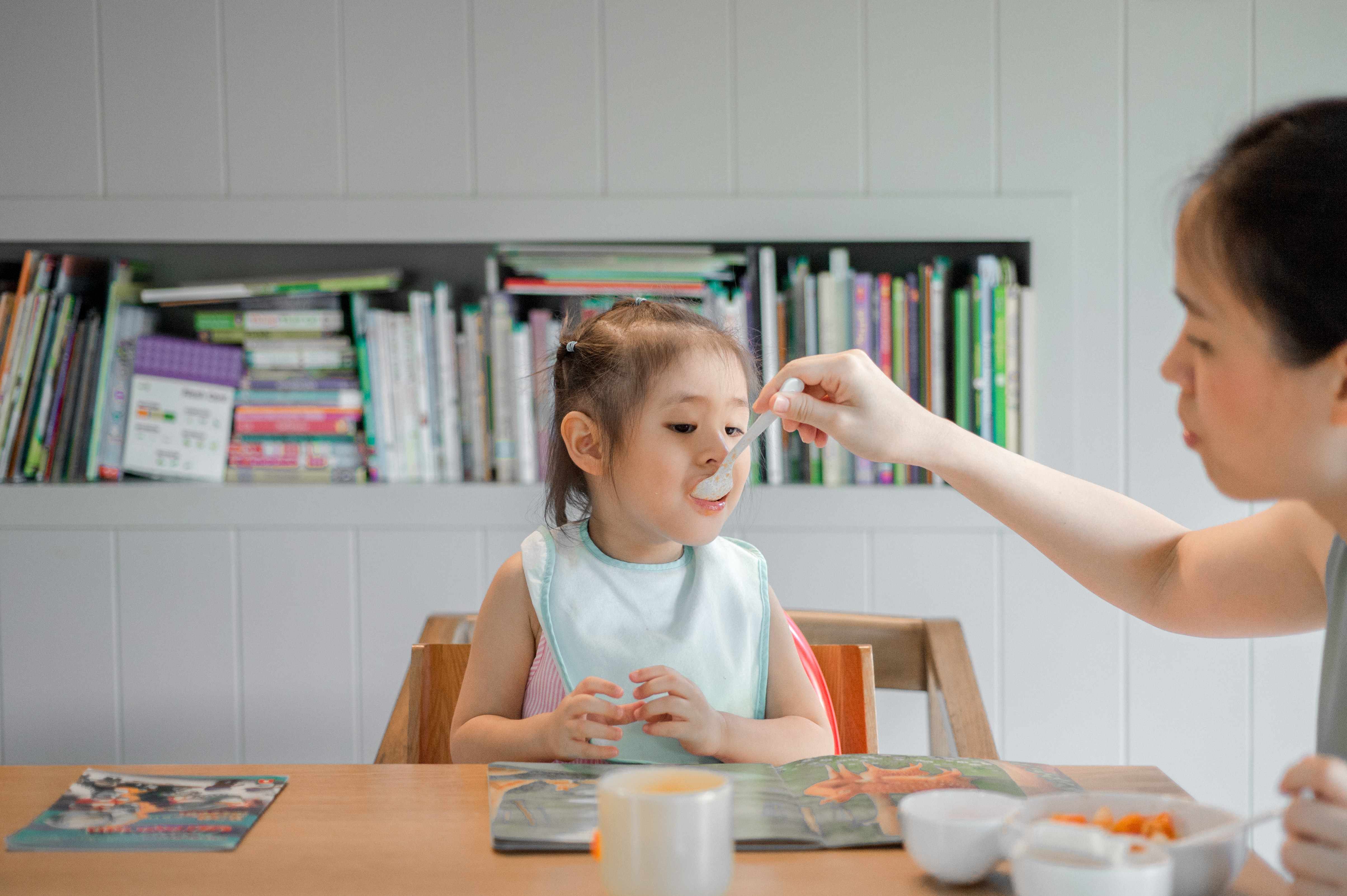
My child is a picky eater!
Now Trending



Our Newsletter
Duplicate Email Found!
Well this is embarrassing... It looks like is already registered.
We have just sent an email to that address with a link to manage the subscription with us. If you don't see a message in the next five minutes, check the spam or junk folders, it's definitely there.
See you soon!

Join Our Newsletter
Hey, Thanks For Subscribing!
Please check for a confirmation message and ensure you add us to a safe email list.
If you don't see a message in the next five minutes, check your spam or junk folders and mark our emails safe for next time.
See you soon!
Duplicate Email Found!
Well this is embarrassing... It looks like is already registered.
We have just sent an email to that address with a link to manage the subscription with us. If you don't see a message in the next five minutes, check the spam or junk folders, it's definitely there.
See you soon!