Hair Loss During and After Pregnancy: Reasons, Management, and Prevention


Hair Loss During and After Pregnancy: Reasons, Management, and Prevention
 By Inventive Minds Kidz Academy
 Added Thu, Dec 11 2025
By Inventive Minds Kidz Academy
Added Thu, Dec 11 2025
By Inventive Minds Kidz Academy
Added Thu, Dec 11 2025
Hey, Thanks For Subscribing!
Please check for a confirmation message and ensure you add us to a safe email list.
If you don't see a message in the next five minutes, check your spam or junk folders and mark our emails safe for next time.
See you soon!
Duplicate Email Found!
Well this is embarrassing... It looks like is already registered.
We have just sent an email to that address with a link to manage the subscription with us. If you don't see a message in the next five minutes, check the spam or junk folders, it's definitely there.
See you soon!
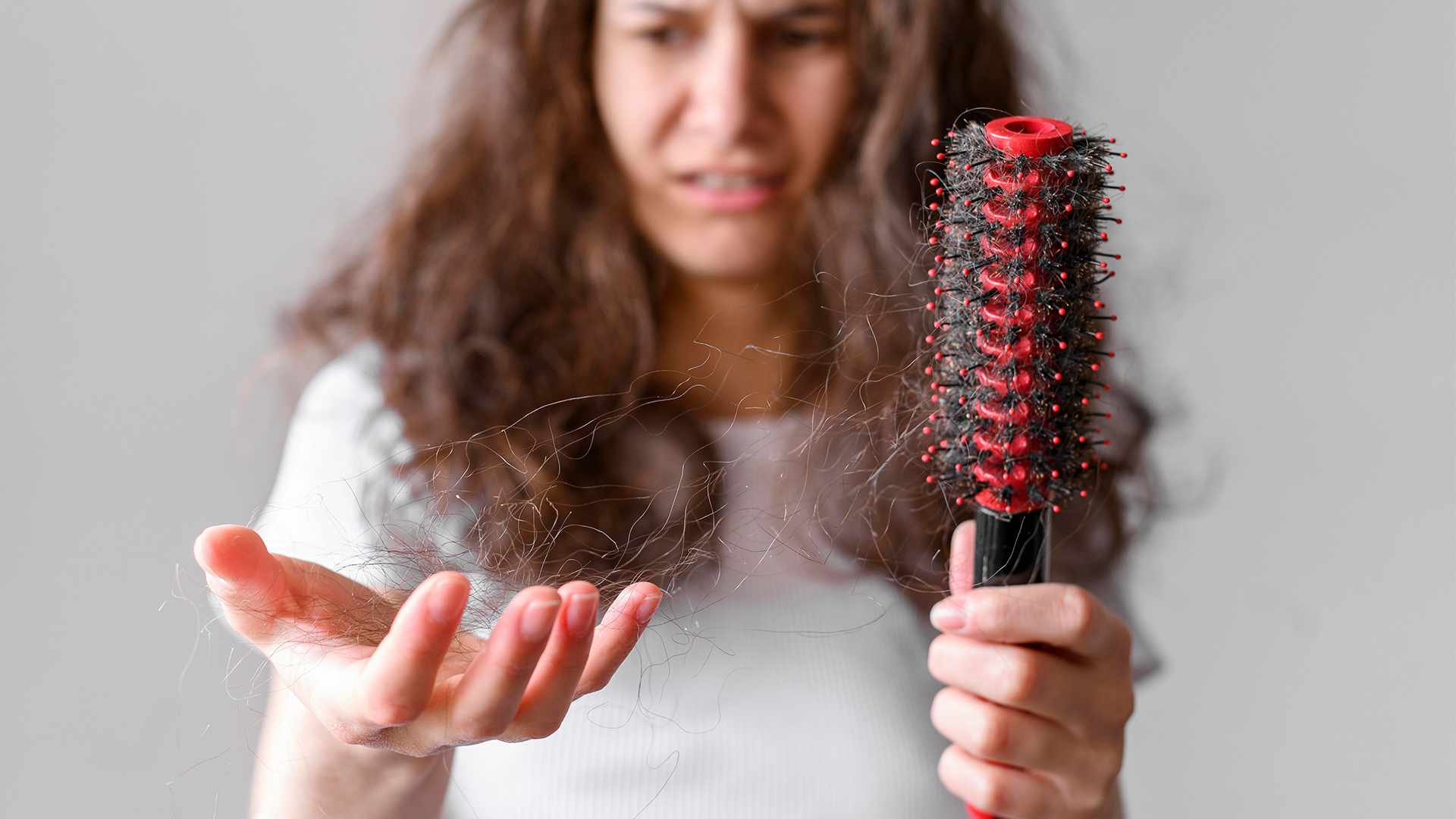
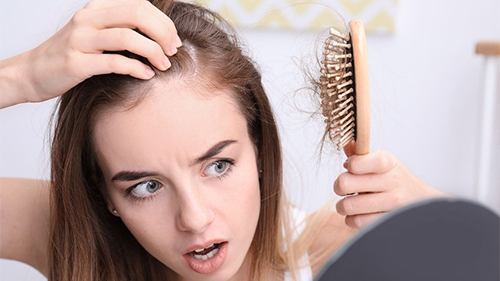
One of the common concerns among pregnant women and birthing mothers is hair loss. While it is usually temporary, it still can be distressing during a period that is already full of emotional and physical adjustments and hardships. In this article, we will discuss a medically accurate and referenced overview of why hair loss occurs in pregnancy and after delivery, and then we will discuss how to manage it and what can be done to prevent or minimize it.
Why Does Hair Loss Happen During or After Pregnancy?
To understand the cause, it helps to first understand the natural cycle of hair growth. Hair follicles cycle through three phases: growth (also named the anagen phase), regression (the catagen phase), and rest/shedding (the telogen phase). Normally, about 85–90% of scalp hairs are in the growth phase at any given time.
During pregnancy, due to hormonal changes (especially elevated estrogen), this cycle is altered. More hairs remain in the anagen phase, resulting in thicker, fuller hair. As it is noted in Williams' textbook of Obstetrics, “The anagen phase lengthens during pregnancy, and the telogen rate increases postpartum”.
After Delivery, estrogen and progesterone levels sharply decline. This sudden hormonal shift triggers a large number of hair follicles to enter the telogen phase simultaneously, leading to what is medically termed telogen effluvium, as noted in Williams' “Excessive hair loss in the puerperium is termed telogen effluvium”.
This type of hair loss typically begins 2 to 4 months postpartum, peaks around 4 to 5 months, and generally resolves by 6 to 12 months after the delivery.
Physiological Basis and Hormonal Influences
Pregnancy and the postpartum period are characterized by profound hormonal and systemic changes. Williams Obstetrics emphasizes: “Virtually every organ system undergoes alterations, and these can appreciably modify criteria for disease diagnosis and treatment”. Hair follicles are particularly sensitive to shifts in estrogen, progesterone, and thyroid hormones. The sudden withdrawal of these hormones post-delivery is a primary driver of synchronized follicular shedding.
Additionally, it has been studied that breastfeeding might prolong the hormonal return to a non-pregnant state. As Williams notes, “The almost complete return to the pre-pregnancy state after delivery and lactation” influences systemic changes, including hair restoration.
Common Triggers That Worsen Postpartum Hair Loss
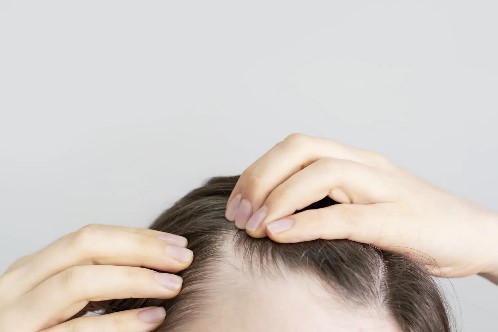
The existence of a physiological reason for hair loss around pregnancy doesn’t mean that all hair loss is related to physiological changes. While hormonal fluctuation is the primary cause, other contributing factors can exacerbate postpartum shedding.
Another serious trigger for hair loss during this period is physical and emotional Stress. The physical stress of childbirth, combined with sleep deprivation, anxiety, and role adjustment, often exacerbates hair shedding beyond the physiological causes. Nutritional deficiencies are another common trigger. New mothers may experience lower intake of key nutrients such as iron, zinc, vitamin D, and protein, which are considered essential for healthy hair growth. Thyroid dysfunction can also contribute to this hair loss. Postpartum thyroiditis, particularly in the first 6–12 months after delivery, often presents with hair loss. Thyroid function tests (TFT) should be evaluated if shedding is severe or prolonged. Skin and connective tissue Changes might play a role. Pregnancy is known to affect skin and dermal structure, which includes the scalp and hair follicles. Williams states: “Physiological cutaneous change is seen in 89 percent of the women examined”. These changes can make hair follicles more reactive to stress and hormonal shifts.
Managing Hair Loss After Delivery
While post-partum hair loss (telogen effluvium) is typically self-limited, the following strategies can help manage the shedding and support healthy regrowth:
- Be Gentle With Your Hair
- Avoid tight hairstyles (e.g., ponytails, buns).
- Use a wide-tooth comb to minimize breakage.
- Reduce heat styling (e.g., blow drying, straightening).
- Focus on foods rich in:
- Iron (leafy greens, red meat)
- Proteins (eggs, legumes, lean meats)
- Zinc and biotin (nuts, seeds, whole grains)
- Omega-3 fatty acids (flaxseeds, fish)
- Continue Prenatal or Postnatal Vitamins
These may help fill gaps in diet, especially during breastfeeding or periods of irregular eating.
- Consider Dermatological Support
If the hair loss is persistent or severe, a dermatologist can assess for other forms of alopecia (e.g., alopecia areata, androgenic alopecia) and may recommend treatments such as topical minoxidil.
Preventing or Minimizing Hair Loss After Pregnancy
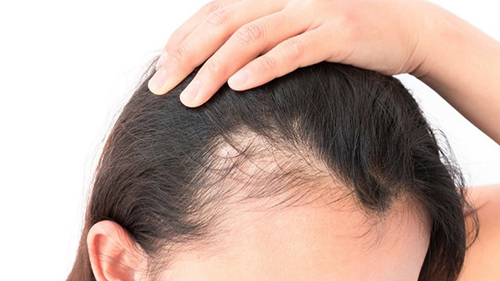
Because of the existence of a physiological basis, pregnancy-related hair loss is not completely preventable. But you can use strategies to minimize the hair loss and support the growth of new hair as soon as possible.
- Manage Stress
Gentle physical activity, meditation, or postpartum support groups can help mitigate the effects of stress on the body, including on the hair cycle. Early management of post-partum fatigue (discussed elsewhere) and post-partum mood changes (also discussed elsewhere).
- Monitor Thyroid Health
Women with a personal or family history of thyroid disease should have their thyroid function tested during pregnancy and postpartum.
- Prepare Nutritionally During Pregnancy
Optimizing iron and protein intake during pregnancy can improve maternal stores and buffer postpartum depletion.
- Recognize What’s Normal
Knowing that postpartum hair loss is expected and typically temporary can reduce anxiety and prevent unnecessary interventions.
When to Seek Medical Advice
While most hair loss resolves on its own, speak to a healthcare provider if you experience shedding that continues beyond 12 months postpartum or the one it leaves patchy or circular bald spots. Accompanying symptoms such as fatigue, cold intolerance, or mood changes (which may suggest thyroid issues or anemia) are also important and need medical care. A strong family history of female pattern hair loss can also have medical significance.
In the end, most cases of pregnancy hair loss are not going to be dangerous for hair health in the long run. According to Williams' textbook of obstetrics, “Neither [growth nor shedding] is exaggerated in most gravidas.” Additionally, “Equally astounding is the almost complete return to the prepregnancy state after delivery and lactation.”
Authored by:
Dr. Alireza Sarmadi
Family Physician
References:
Williams textbook of obstetrics 26e
One of the common concerns among pregnant women and birthing mothers is hair loss. While it is usually temporary, it still can be distressing during a period that is already full of emotional and physical adjustments and hardships. In this article, we will discuss a medically accurate and referenced overview of why hair loss occurs in pregnancy and after delivery, and then we will discuss how to manage it and what can be done to prevent or minimize it.
Why Does Hair Loss Happen During or After Pregnancy?
To understand the cause, it helps to first understand the natural cycle of hair growth. Hair follicles cycle through three phases: growth (also named the anagen phase), regression (the catagen phase), and rest/shedding (the telogen phase). Normally, about 85–90% of scalp hairs are in the growth phase at any given time.
During pregnancy, due to hormonal changes (especially elevated estrogen), this cycle is altered. More hairs remain in the anagen phase, resulting in thicker, fuller hair. As it is noted in Williams' textbook of Obstetrics, “The anagen phase lengthens during pregnancy, and the telogen rate increases postpartum”.
After Delivery, estrogen and progesterone levels sharply decline. This sudden hormonal shift triggers a large number of hair follicles to enter the telogen phase simultaneously, leading to what is medically termed telogen effluvium, as noted in Williams' “Excessive hair loss in the puerperium is termed telogen effluvium”.
This type of hair loss typically begins 2 to 4 months postpartum, peaks around 4 to 5 months, and generally resolves by 6 to 12 months after the delivery.
Physiological Basis and Hormonal Influences
Pregnancy and the postpartum period are characterized by profound hormonal and systemic changes. Williams Obstetrics emphasizes: “Virtually every organ system undergoes alterations, and these can appreciably modify criteria for disease diagnosis and treatment”. Hair follicles are particularly sensitive to shifts in estrogen, progesterone, and thyroid hormones. The sudden withdrawal of these hormones post-delivery is a primary driver of synchronized follicular shedding.
Additionally, it has been studied that breastfeeding might prolong the hormonal return to a non-pregnant state. As Williams notes, “The almost complete return to the pre-pregnancy state after delivery and lactation” influences systemic changes, including hair restoration.
Common Triggers That Worsen Postpartum Hair Loss
The existence of a physiological reason for hair loss around pregnancy doesn’t mean that all hair loss is related to physiological changes. While hormonal fluctuation is the primary cause, other contributing factors can exacerbate postpartum shedding.
Another serious trigger for hair loss during this period is physical and emotional Stress. The physical stress of childbirth, combined with sleep deprivation, anxiety, and role adjustment, often exacerbates hair shedding beyond the physiological causes. Nutritional deficiencies are another common trigger. New mothers may experience lower intake of key nutrients such as iron, zinc, vitamin D, and protein, which are considered essential for healthy hair growth. Thyroid dysfunction can also contribute to this hair loss. Postpartum thyroiditis, particularly in the first 6–12 months after delivery, often presents with hair loss. Thyroid function tests (TFT) should be evaluated if shedding is severe or prolonged. Skin and connective tissue Changes might play a role. Pregnancy is known to affect skin and dermal structure, which includes the scalp and hair follicles. Williams states: “Physiological cutaneous change is seen in 89 percent of the women examined”. These changes can make hair follicles more reactive to stress and hormonal shifts.
Managing Hair Loss After Delivery
While post-partum hair loss (telogen effluvium) is typically self-limited, the following strategies can help manage the shedding and support healthy regrowth:
- Be Gentle With Your Hair
- Avoid tight hairstyles (e.g., ponytails, buns).
- Use a wide-tooth comb to minimize breakage.
- Reduce heat styling (e.g., blow drying, straightening).
- Focus on foods rich in:
- Iron (leafy greens, red meat)
- Proteins (eggs, legumes, lean meats)
- Zinc and biotin (nuts, seeds, whole grains)
- Omega-3 fatty acids (flaxseeds, fish)
- Continue Prenatal or Postnatal Vitamins
These may help fill gaps in diet, especially during breastfeeding or periods of irregular eating.
- Consider Dermatological Support
If the hair loss is persistent or severe, a dermatologist can assess for other forms of alopecia (e.g., alopecia areata, androgenic alopecia) and may recommend treatments such as topical minoxidil.
Preventing or Minimizing Hair Loss After Pregnancy
Because of the existence of a physiological basis, pregnancy-related hair loss is not completely preventable. But you can use strategies to minimize the hair loss and support the growth of new hair as soon as possible.
- Manage Stress
Gentle physical activity, meditation, or postpartum support groups can help mitigate the effects of stress on the body, including on the hair cycle. Early management of post-partum fatigue (discussed elsewhere) and post-partum mood changes (also discussed elsewhere).
- Monitor Thyroid Health
Women with a personal or family history of thyroid disease should have their thyroid function tested during pregnancy and postpartum.
- Prepare Nutritionally During Pregnancy
Optimizing iron and protein intake during pregnancy can improve maternal stores and buffer postpartum depletion.
- Recognize What’s Normal
Knowing that postpartum hair loss is expected and typically temporary can reduce anxiety and prevent unnecessary interventions.
When to Seek Medical Advice
While most hair loss resolves on its own, speak to a healthcare provider if you experience shedding that continues beyond 12 months postpartum or the one it leaves patchy or circular bald spots. Accompanying symptoms such as fatigue, cold intolerance, or mood changes (which may suggest thyroid issues or anemia) are also important and need medical care. A strong family history of female pattern hair loss can also have medical significance.
In the end, most cases of pregnancy hair loss are not going to be dangerous for hair health in the long run. According to Williams' textbook of obstetrics, “Neither [growth nor shedding] is exaggerated in most gravidas.” Additionally, “Equally astounding is the almost complete return to the prepregnancy state after delivery and lactation.”
Authored by:
Dr. Alireza Sarmadi
Family Physician
References:
Williams textbook of obstetrics 26e
Most Talked About Posts

You May Also Like
Staff Picks

Parenting in the Shadow of PDA: From Challenge to Connection, with Research-Based Strategies

How Cognitive Neuroscience Can Transform the Way You Run a School (With Research-Backed Insights)
Early Newborn Assessment, Physical Examination, and Screenings

Now Trending




Our Newsletter
Duplicate Email Found!
Well this is embarrassing... It looks like is already registered.
We have just sent an email to that address with a link to manage the subscription with us. If you don't see a message in the next five minutes, check the spam or junk folders, it's definitely there.
See you soon!

Join Our Newsletter
Hey, Thanks For Subscribing!
Please check for a confirmation message and ensure you add us to a safe email list.
If you don't see a message in the next five minutes, check your spam or junk folders and mark our emails safe for next time.
See you soon!
Duplicate Email Found!
Well this is embarrassing... It looks like is already registered.
We have just sent an email to that address with a link to manage the subscription with us. If you don't see a message in the next five minutes, check the spam or junk folders, it's definitely there.
See you soon!