UTIs in Children: Reasons, Treatment, and Prevention—What Parents Must Know


UTIs in Children: Reasons, Treatment, and Prevention—What Parents Must Know
 By Inventive Minds Kidz Academy
 Added Mon, Jun 01 2026
By Inventive Minds Kidz Academy
Added Mon, Jun 01 2026
By Inventive Minds Kidz Academy
Added Mon, Jun 01 2026
Hey, Thanks For Subscribing!
Please check for a confirmation message and ensure you add us to a safe email list.
If you don't see a message in the next five minutes, check your spam or junk folders and mark our emails safe for next time.
See you soon!
Duplicate Email Found!
Well this is embarrassing... It looks like is already registered.
We have just sent an email to that address with a link to manage the subscription with us. If you don't see a message in the next five minutes, check the spam or junk folders, it's definitely there.
See you soon!
Infection of urinary tract (UTIs) are among the most common bacterial infections in children, especially in infancy and early childhood. While with right care they are easily treatable, they are often painful, recurrent, and in some cases, can lead to serious complications like kidney damage if they are left untreated. Understanding what might cause UTIs, how to treat them and how to prevent recurrence is essential for every parent of a young child.
In this article we discuss the basics of UTIs in children, what they are, why they happen, how they’re treated, and most importantly, how parents can help prevent them.
What Is a UTI and Why is It common in Children?
A urinary tract infection or UTI is a bacterial infection anywhere in the urinary system—this includes the bladder (cystitis), the kidneys (pyelonephritis), and the urethra (Urethritis). UTIs are mostly caused by bacteria, most commonly Escherichia coli (E. coli), which normally lives in the gut as normal flora. As stated in Nelson Textbook of Pediatrics: “E. coli causes the majority of UTIs, followed by Klebsiella spp. and Proteus spp., Enterococcus, and Pseudomonas”.
This phenomenon that most common pathogen is considered a normal flora is not unique to UTI, but suggests that hygiene plays an important role in the UTI which we will discuss later.
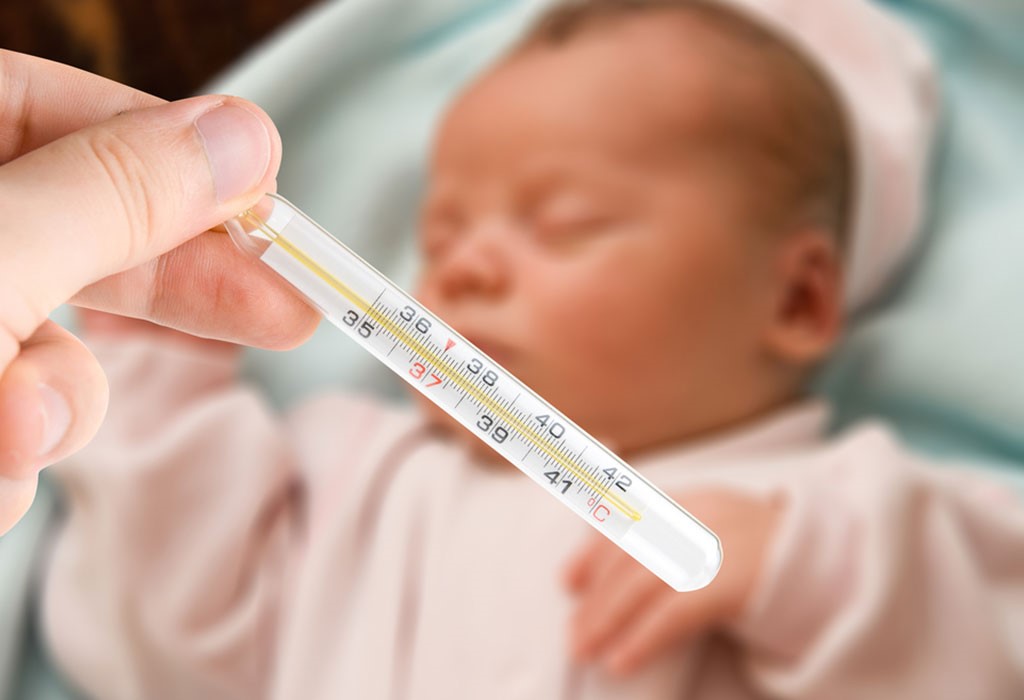
In infants, especially those under 12 months, UTIs can often be more difficult to recognize because the symptoms are more vague and a baby cannot talk or complain about it. Fever, irritability, poor feeding, or vomiting may be the only signs.
Nelson textbook of pediatrics notes that “During the first 3 months of life, UTIs are most common in uncircumcised febrile males… 20%, which is eight times higher than circumcised males”. After infancy, girls are more likely than boys to develop UTIs, particularly during potty training and the early school years.
Risk Factors: Who’s More Likely to Get a UTI?
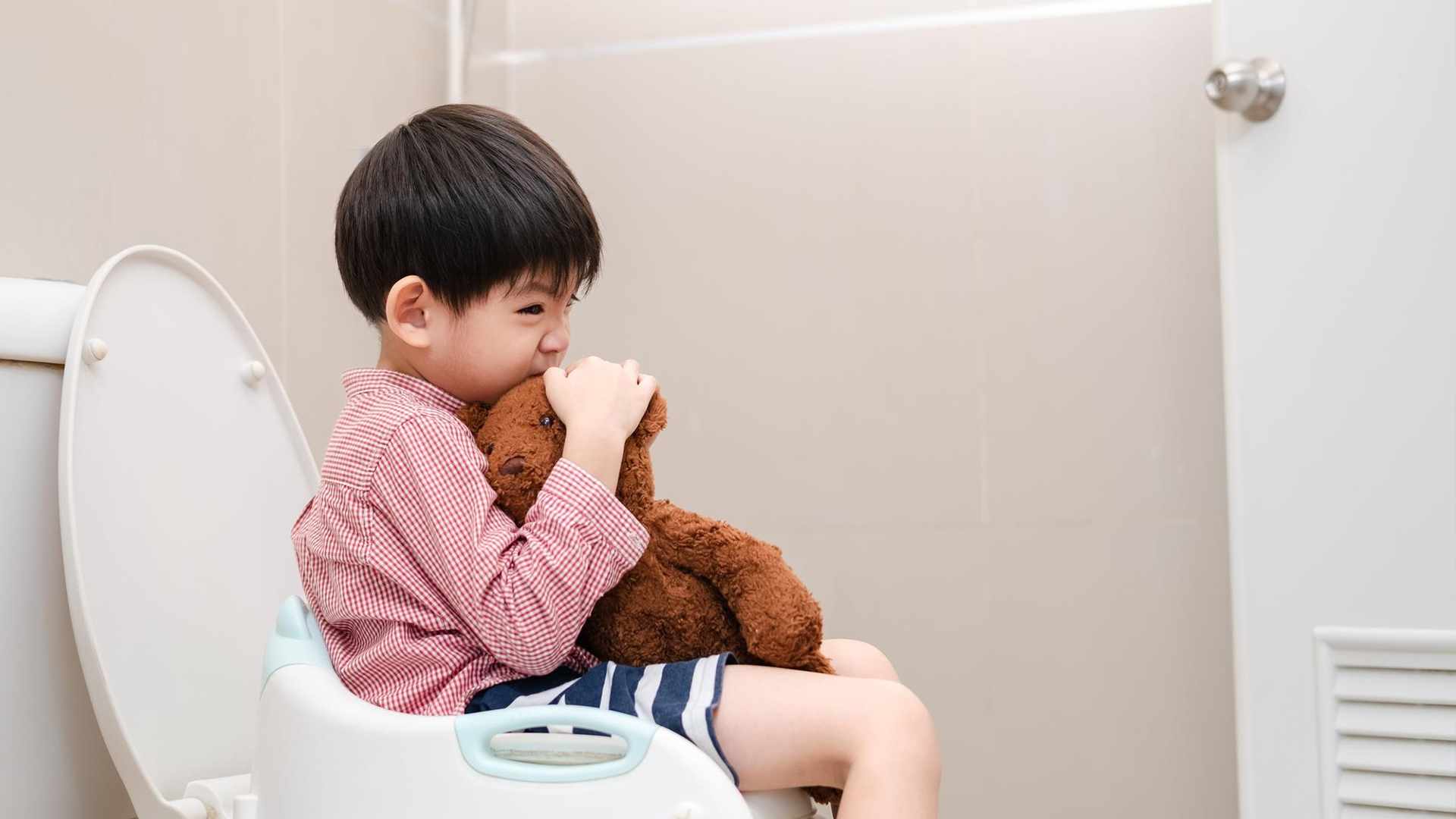
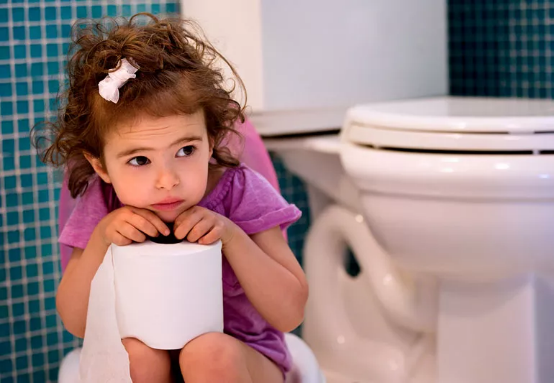
Children may be more prone to UTIs due to anatomical, genetic, or behavioral factors. Common risk factors include Poor toilet hygiene or diaper care (e.g., wiping back to front in girls), Holding urine for long periods (common during toilet training), Structural abnormalities of the urinary tract, Vesicoureteral reflux (VUR) ,where urine flows backward from the bladder to the kidneys and finally Constipation, which can put pressure on the bladder and affect urine flow.
As Nelson explains “In females, UTIs often occur at the onset of toilet training because of bowel-bladder dysfunction... incomplete bladder emptying increases the risk”.
Symptoms of UTI in Children
UTI symptoms might vary depending on the child’s age and the part of the urinary tract affected.
In Infants (Fever without an obvious source is a major sign that suggests UTI should be worked up. Poor feeding and Irritability are also common. Especially when accompanied by foul smelling and/or discolored urine. Vomiting for no other reason and jaundice can also be a sing for UTI.
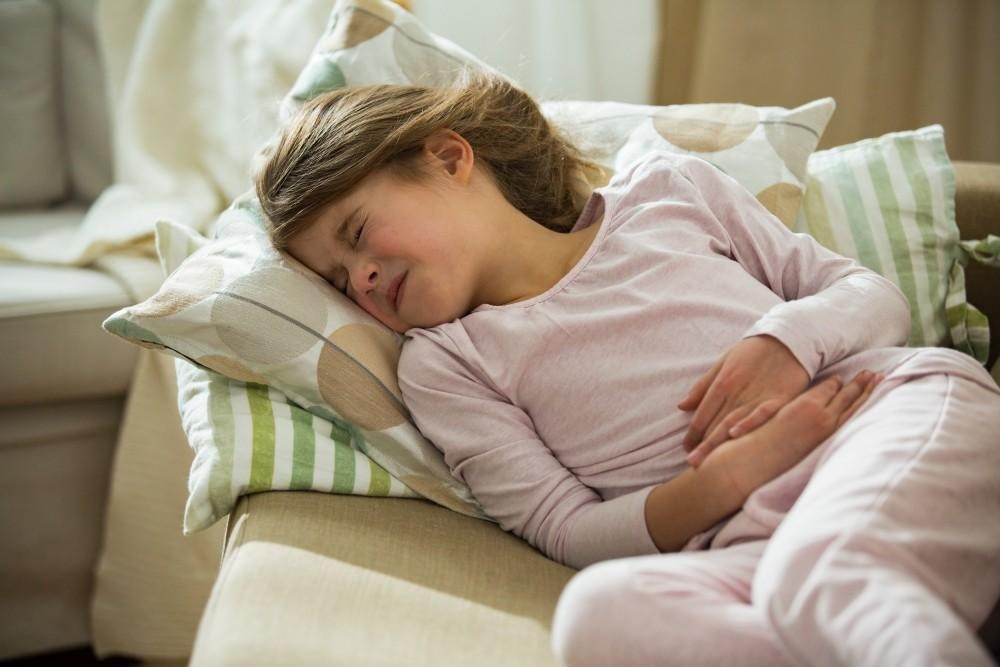
In Toddlers and Older Children: Painful urination (dysuria), Increased frequency or urgency (Wetting accidents in a previously dry child) , Abdominal or lower back pain or flank pain, foul smelling or discolored urine, Blood in the urine are among signs. Fever and general weakness can also be alarm signs that UTI might be severe.
According to Nelson textbook of pediatrics “Pyelonephritis is characterized by abdominal, back, or flank pain; fever; malaise; nausea; vomiting… Fever may be the only manifestation, especially in young children”.
Diagnosis: How Is a UTI Confirmed?
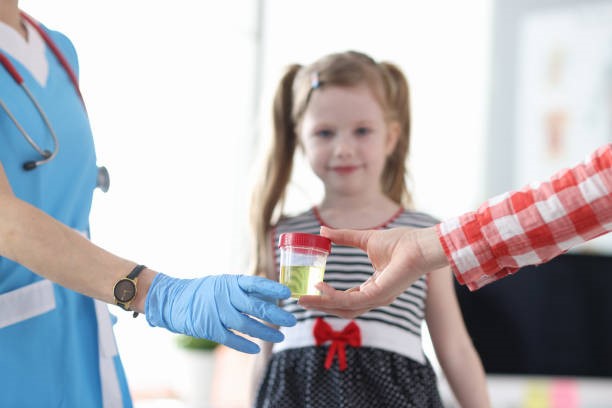
Diagnosis of UTI mostly involves: Urinalysis (Also known as U/A) to look for signs of infection, Urine culture (U/C) alongside antibiogram to identify the specific bacteria and the preferred antimicrobial agent and Ultrasound or voiding cystourethrogram (VCUG) especially if the child has recurrent UTIs or abnormal urinary anatomy is suspected.
Clean-catch urine samples are often difficult to obtain in young children, so catheterized or suprapubic aspiration samples are preferred in infants.
Treatment: What Should Parents Expect?
Treatment depends on many factors such as the child’s age, the severity of infection, and whether the upper or lower urinary tract is affected (pyelonephritis vs cystitis and urethritis). Infants under 2 months: usually require IV antibiotics and hospital admission. Older infants and children: may be treated with oral antibiotics if stable or might be admitted if symptoms are significant.
Nelson highlights the importance of appropriate and prompt treatment by mentioning “Acute pyelonephritis can result in renal injury, termed pyelonephritic scarring”. Delays in treatment or under-treated infections increase the risk of long-term kidney damage.
Complications: What Are the Worst Outcomes?
While most children recover fully from a UTI, repeated infections or infections in very young children can lead to complications such as Kidney scarring, High blood pressure later in life and in rare cases chronic kidney diseases. Nelson textbook emphasizes that “Both acute lobar nephronia and renal abscess are associated with an increased risk of renal scarring”.
This is why early detection and treatment are so crucial, especially during the first 24 months of life.
Prevention: Can UTI Be Prevented?
The good news is that many UTIs are preventable. Here’s what you can do as a parent in order to minimalize the risk of UTI in your dear children:
- Encourage regular bathroom habits
Teach children to use the toilet frequently and completely empty their bladder. Avoid “holding it in.”
- Promote good hygiene
Girls should wipe front to back. Teach proper handwashing when they are toilet training.
- Address constipation
Ensure regular bowel movements through fiber-rich diets and hydration.
- Avoid unnecessary use of bubble baths or harsh soaps
These can irritate the urethra and increase the risk of infection.
- Stay vigilant after the first UTI
Children who’ve had one UTI are at risk for more. Regular follow-ups and imaging may be needed based on your doctor’s guidance.
As Nelson advises “The most important aspect of follow-up is being certain that the solitary kidney is functioning normally” (especially in children with congenital urinary anomalies).
When to See a Doctor Immediately
As we mentioned, untreated and not cared for UTI can lead to severe complications. You should seek medical attention if your child has a fever above 38.5°C (101.3°F) without a known cause, complains of painful urination, Starts wetting again after being dry, Is unusually irritable or lethargic, Has vomiting, back or flank pain, or bloody, discolored or smelly urine.
UTIs can worsen quickly in infants, so don’t delay evaluation if something seems off.
Authored by:
Dr. Alireza Sarmadi
Family Physician
References:
Nelson textbook of pediatrics 22nd edition
Infection of urinary tract (UTIs) are among the most common bacterial infections in children, especially in infancy and early childhood. While with right care they are easily treatable, they are often painful, recurrent, and in some cases, can lead to serious complications like kidney damage if they are left untreated. Understanding what might cause UTIs, how to treat them and how to prevent recurrence is essential for every parent of a young child.
In this article we discuss the basics of UTIs in children, what they are, why they happen, how they’re treated, and most importantly, how parents can help prevent them.
What Is a UTI and Why is It common in Children?
A urinary tract infection or UTI is a bacterial infection anywhere in the urinary system—this includes the bladder (cystitis), the kidneys (pyelonephritis), and the urethra (Urethritis). UTIs are mostly caused by bacteria, most commonly Escherichia coli (E. coli), which normally lives in the gut as normal flora. As stated in Nelson Textbook of Pediatrics: “E. coli causes the majority of UTIs, followed by Klebsiella spp. and Proteus spp., Enterococcus, and Pseudomonas”.
This phenomenon that most common pathogen is considered a normal flora is not unique to UTI, but suggests that hygiene plays an important role in the UTI which we will discuss later.
In infants, especially those under 12 months, UTIs can often be more difficult to recognize because the symptoms are more vague and a baby cannot talk or complain about it. Fever, irritability, poor feeding, or vomiting may be the only signs.
Nelson textbook of pediatrics notes that “During the first 3 months of life, UTIs are most common in uncircumcised febrile males… 20%, which is eight times higher than circumcised males”. After infancy, girls are more likely than boys to develop UTIs, particularly during potty training and the early school years.
Risk Factors: Who’s More Likely to Get a UTI?
Children may be more prone to UTIs due to anatomical, genetic, or behavioral factors. Common risk factors include Poor toilet hygiene or diaper care (e.g., wiping back to front in girls), Holding urine for long periods (common during toilet training), Structural abnormalities of the urinary tract, Vesicoureteral reflux (VUR) ,where urine flows backward from the bladder to the kidneys and finally Constipation, which can put pressure on the bladder and affect urine flow.
As Nelson explains “In females, UTIs often occur at the onset of toilet training because of bowel-bladder dysfunction... incomplete bladder emptying increases the risk”.
Symptoms of UTI in Children
UTI symptoms might vary depending on the child’s age and the part of the urinary tract affected.
In Infants (Fever without an obvious source is a major sign that suggests UTI should be worked up. Poor feeding and Irritability are also common. Especially when accompanied by foul smelling and/or discolored urine. Vomiting for no other reason and jaundice can also be a sing for UTI.
In Toddlers and Older Children: Painful urination (dysuria), Increased frequency or urgency (Wetting accidents in a previously dry child) , Abdominal or lower back pain or flank pain, foul smelling or discolored urine, Blood in the urine are among signs. Fever and general weakness can also be alarm signs that UTI might be severe.
According to Nelson textbook of pediatrics “Pyelonephritis is characterized by abdominal, back, or flank pain; fever; malaise; nausea; vomiting… Fever may be the only manifestation, especially in young children”.
Diagnosis: How Is a UTI Confirmed?
Diagnosis of UTI mostly involves: Urinalysis (Also known as U/A) to look for signs of infection, Urine culture (U/C) alongside antibiogram to identify the specific bacteria and the preferred antimicrobial agent and Ultrasound or voiding cystourethrogram (VCUG) especially if the child has recurrent UTIs or abnormal urinary anatomy is suspected.
Clean-catch urine samples are often difficult to obtain in young children, so catheterized or suprapubic aspiration samples are preferred in infants.
Treatment: What Should Parents Expect?
Treatment depends on many factors such as the child’s age, the severity of infection, and whether the upper or lower urinary tract is affected (pyelonephritis vs cystitis and urethritis). Infants under 2 months: usually require IV antibiotics and hospital admission. Older infants and children: may be treated with oral antibiotics if stable or might be admitted if symptoms are significant.
Nelson highlights the importance of appropriate and prompt treatment by mentioning “Acute pyelonephritis can result in renal injury, termed pyelonephritic scarring”. Delays in treatment or under-treated infections increase the risk of long-term kidney damage.
Complications: What Are the Worst Outcomes?
While most children recover fully from a UTI, repeated infections or infections in very young children can lead to complications such as Kidney scarring, High blood pressure later in life and in rare cases chronic kidney diseases. Nelson textbook emphasizes that “Both acute lobar nephronia and renal abscess are associated with an increased risk of renal scarring”.
This is why early detection and treatment are so crucial, especially during the first 24 months of life.
Prevention: Can UTI Be Prevented?
The good news is that many UTIs are preventable. Here’s what you can do as a parent in order to minimalize the risk of UTI in your dear children:
- Encourage regular bathroom habits
Teach children to use the toilet frequently and completely empty their bladder. Avoid “holding it in.”
- Promote good hygiene
Girls should wipe front to back. Teach proper handwashing when they are toilet training.
- Address constipation
Ensure regular bowel movements through fiber-rich diets and hydration.
- Avoid unnecessary use of bubble baths or harsh soaps
These can irritate the urethra and increase the risk of infection.
- Stay vigilant after the first UTI
Children who’ve had one UTI are at risk for more. Regular follow-ups and imaging may be needed based on your doctor’s guidance.
As Nelson advises “The most important aspect of follow-up is being certain that the solitary kidney is functioning normally” (especially in children with congenital urinary anomalies).
When to See a Doctor Immediately
As we mentioned, untreated and not cared for UTI can lead to severe complications. You should seek medical attention if your child has a fever above 38.5°C (101.3°F) without a known cause, complains of painful urination, Starts wetting again after being dry, Is unusually irritable or lethargic, Has vomiting, back or flank pain, or bloody, discolored or smelly urine.
UTIs can worsen quickly in infants, so don’t delay evaluation if something seems off.
Authored by:
Dr. Alireza Sarmadi
Family Physician
References:
Nelson textbook of pediatrics 22nd edition
Most Talked About Posts

You May Also Like
Staff Picks

The Brain as a CEO’s Control Center

Positive Parenting Strategies - Dealing with Disobedience in Children
Parenting the Anxious Child: Tools and Techniques

Now Trending



Our Newsletter
Duplicate Email Found!
Well this is embarrassing... It looks like is already registered.
We have just sent an email to that address with a link to manage the subscription with us. If you don't see a message in the next five minutes, check the spam or junk folders, it's definitely there.
See you soon!

Join Our Newsletter
Hey, Thanks For Subscribing!
Please check for a confirmation message and ensure you add us to a safe email list.
If you don't see a message in the next five minutes, check your spam or junk folders and mark our emails safe for next time.
See you soon!
Duplicate Email Found!
Well this is embarrassing... It looks like is already registered.
We have just sent an email to that address with a link to manage the subscription with us. If you don't see a message in the next five minutes, check the spam or junk folders, it's definitely there.
See you soon!